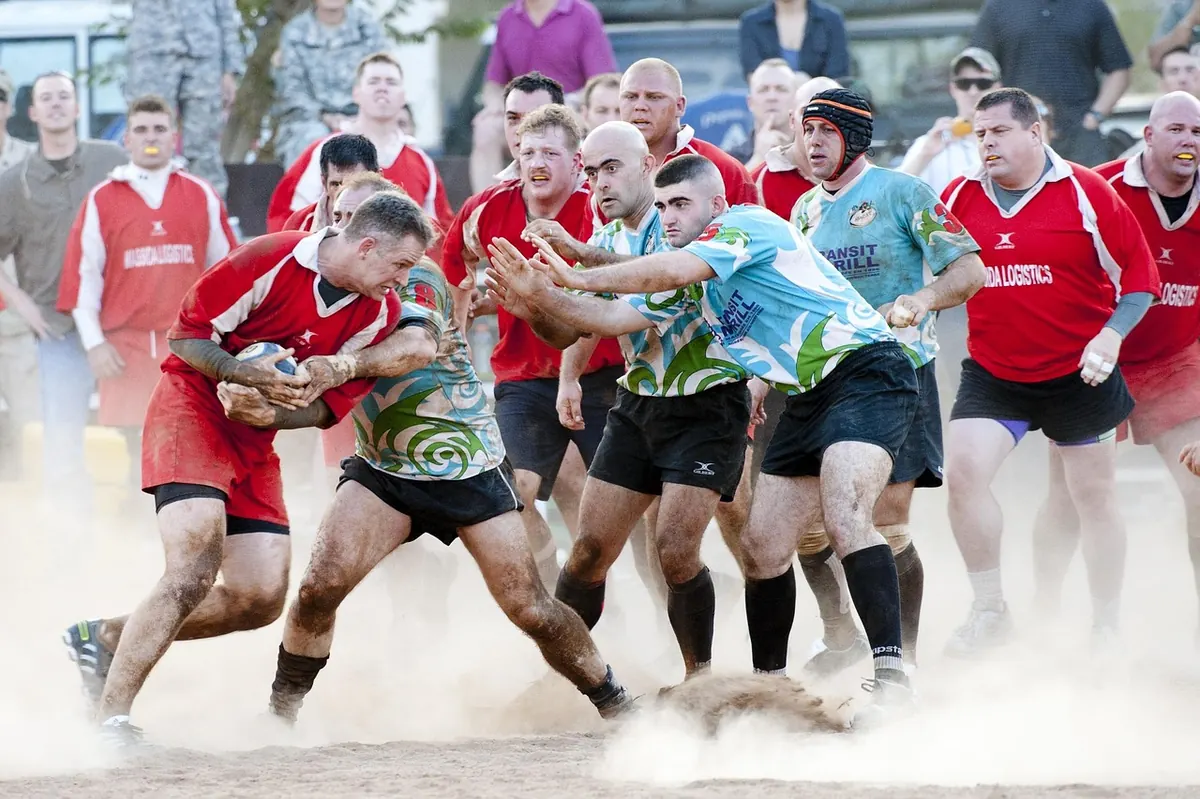
Two towns, four miles of road between them, and a match that neither side could put away until the final whistle. The derby finished 21–19, and the scoreline hides almost all of the work that went into it. What it does show is a set of patterns any club will recognise, from under-16s to the first XV, and most of them can be trained on a Tuesday night.
How the Derby Turned
The visitors started the sharper. For twenty minutes the game lived in one half: their back row arrived at the breakdown a fraction earlier, their chase on kicks was aggressive, and the home side kept handing back possession with loose passes under pressure. A converted try and two penalties gave them a lead that felt comfortable.
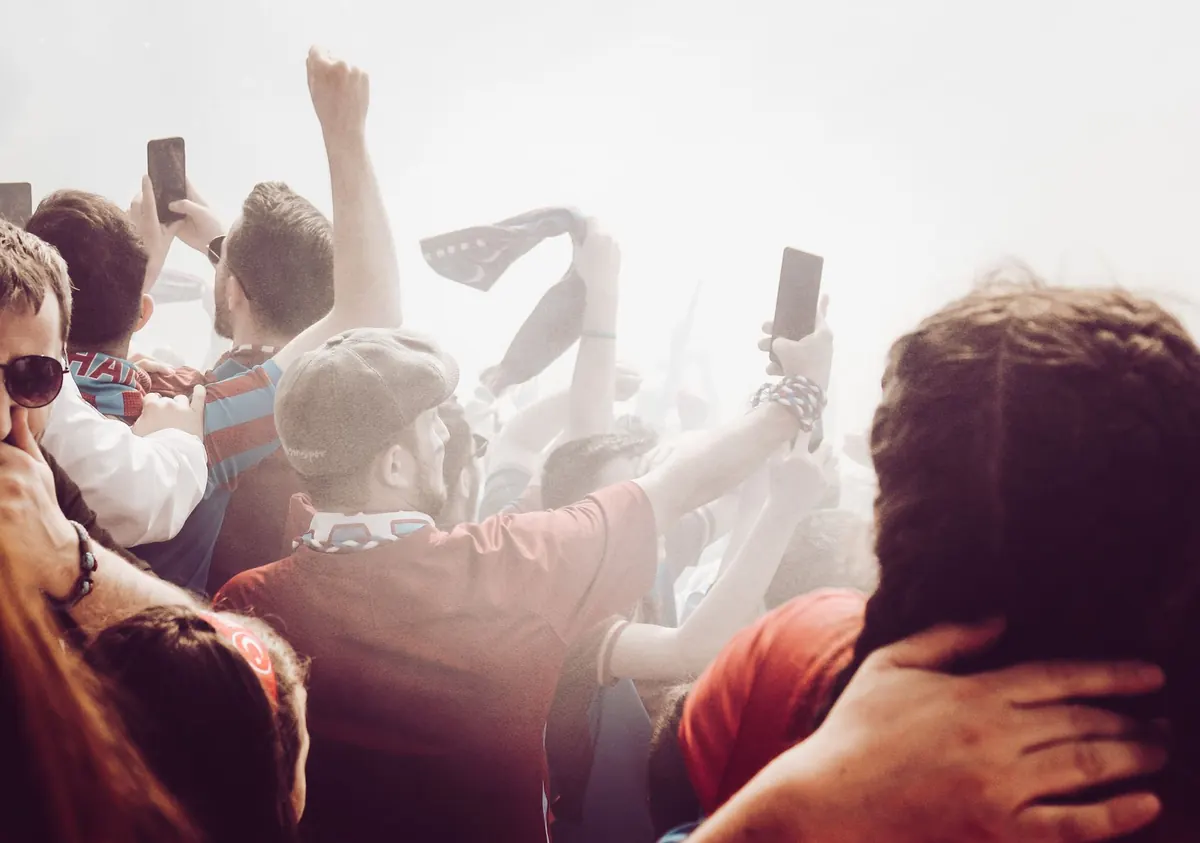
Then a single turnover on the edge of the 22 changed the temperature of the ground. The home side scored from the next phase, the crowd found its voice, and the penalty count quietly flipped in the opposite direction for the rest of the half.
The visitors rebuilt their lead after the break with a well-worked try from a lineout drive, and at 19–10 with fifteen minutes left, the game looked settled. It was not. The home side kept the ball through a long sequence of phases, took three points when they were on offer, scored in the corner, and then faced the decision that decided the match: a penalty 22 metres out, eight metres left of the posts, two points behind. They kicked to the corner. The maul held. The try was converted.
Lesson One: Momentum Is Built From Small Wins
Momentum is not a mood, it is a sequence. Both swings in this match started with something small: a dominant tackle that stopped a carrier behind the gain line, a clean exit that found grass, a lineout stolen at the front. None of those moments looked decisive at the time.
If your side is in the middle of a bad fifteen minutes, do not chase the whole game back at once. Pick one contestable area — the kick chase, the first tackle after a restart, the edge of the ruck — and aim to win it twice in a row. Two small wins in a row is how the crowd and the referee both start leaning your way.
Lesson Two: Late Decisions Are Rehearsed, Not Improvised
The kick to the corner was not a gamble taken in the moment. It was a call the captain and the senior players had already made on the field, because it had been made a dozen times in training. Under fatigue, players fall back on what they have practised, not on what they have discussed.
Spend ten minutes of every session walking through scenarios so nobody has to think when their legs are gone:
- Down by two, penalty on the 22, five minutes left.
- Down by five, attacking lineout inside the 22, two minutes left.
- Level, ball in your own half, ninety seconds left.
- Down by seven with a kickable penalty and a two-man advantage in the sin bin.
Name who makes the call in each case, and name the second voice in case the captain is at the bottom of a ruck.
Lesson Three: The Set Piece Under Pressure Tells the Truth
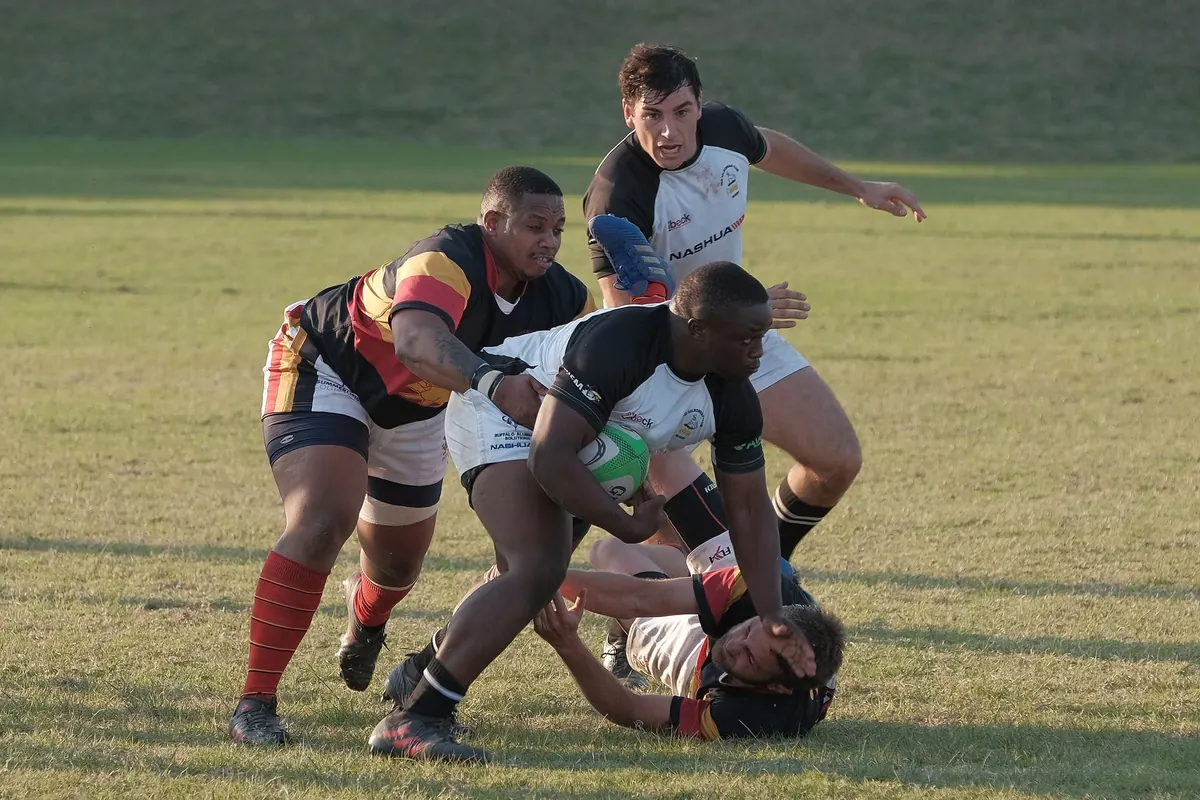
The scrum on halfway in the 76th minute and the lineout maul three minutes later decided this derby far more than any backline move. That is normal. The set piece is the one part of the game you can rehearse without fatigue, without a referee, and without an opponent who knows your calls.
The honest lesson is about honesty itself. If your scrum only holds when you are fresh and winning, it is not a scrum, it is a hope. Train short, heavy sets at the end of sessions when legs are already tired, and keep the lifters working on timing rather than raw height. A maul that travels four metres late in a game is worth more than one that travels twelve in the first ten minutes.
Lesson Four: Standout Performances Came From Quiet Positions
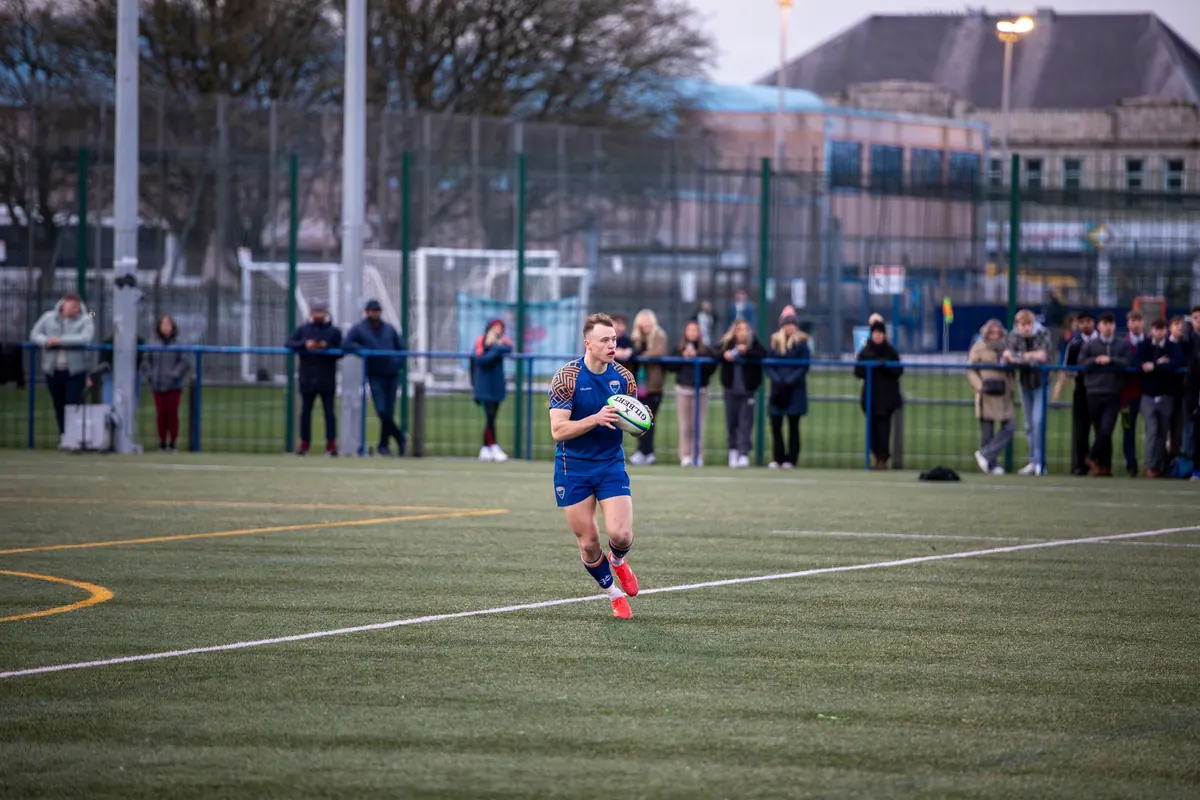
The try scorers got the applause, but the players who changed the result played where nobody watches. The tighthead held a scrum square on his own line when the pack was going backwards. The openside won two turnovers in the final quarter by arriving early and staying on his feet. The full-back fielded three awkward kicks under pressure and found touch each time. The replacement hooker threw straight into a gusting wind.
When you review your own game, look past the highlight moments. Ask who made the tackle that let someone else make the turnover, and who ran the decoy line that made the overlap. Those players deserve to be named in the changing room, and they deserve to know exactly which actions you valued.
Lesson Five: The Bench Is a Decision, Not a Reward
The visitors lost a little control in the last twenty minutes, and part of that was timing. Their front row had done enormous work in the first half, and the replacements arrived after the momentum had already turned rather than before. The home side made their changes earlier, and the fresh legs around the tackle area made a visible difference.
Decide before kick-off not just who comes on, but when and for what. Write the triggers down: first scrum after fifty-five minutes, first stoppage after sixty-five, and so on. Tell the replacements their job in one sentence each, and make sure they know who takes a long-range penalty or a touch-finder if the regular kicker has been replaced.
Turning a Nail-Biter Into a Habit
Close games are not luck. They are the sum of preparation that shows up when everyone is tired. Use the following as a short checklist for the week before your next derby:
- Rehearse at least three end-of-game scenarios, including one where you are behind and one where you are protecting a lead.
- Give one player the authority to call for the corner or the posts, and give a second player the same authority in case the first is unavailable.
- Put your set piece under pressure at the end of training, not the start.
- Name your replacement triggers before kick-off and review them at half-time.
- After the match, credit the quiet work publicly, because that is what you will ask for again next week.
Derbies are decided by margins this thin, and the team that has already decided what it will do is the team that usually ends up on the right side of them.
Photo: 12019 / Pixabay